I started far from a boardroom. With a background in physical education focused on nature-based learning, I spent years in educational and experiential programs across different regions of Argentina, as part of large teams and in demanding environments. I worked as a mountain guide in Patagonia and in operations at ski resorts and mountain hospitality.
Empecé lejos de una sala de directorio. Con formación en educación física orientada a la educación en la naturaleza, trabajé durante años en programas educativos y experienciales en distintas regiones de Argentina, como parte de equipos grandes y en entornos de exigencia. Fui guía de montaña en la Patagonia y trabajé en operaciones de centros de esquí y hotelería de montaña.
That combination —nature, sport, physical education— led me into team development. For years, companies hired me to develop their own teams outside the office. There I first saw what I would later find in every boardroom: teams don't fail from a lack of individual capability, but from how they're organized to operate under pressure.
Esa combinación —naturaleza, deporte, educación física— me llevó al desarrollo de equipos. Durante años, empresas me contrataron para desarrollar a los suyos fuera de la oficina. Ahí vi por primera vez lo que después encontraría en cada directorio: los equipos no fallan por falta de capacidad individual, sino por cómo están organizados para operar bajo presión.
From there I moved into leadership-team facilitation and coaching, and then into advisory to CEOs and executive teams. More than 2,500 leaders over ten years, in capital-intensive sectors across Latin America —telecom, mining, aviation, agribusiness—. All engagements are CEO-sponsored. Faculty member at the Conscious Business Center (Fred Kofman's framework). Today I distill all of that field into a proprietary diagnostic framework — Lead Architecture.
De ahí llegué a la facilitación y el coaching de equipos ejecutivos, y luego al asesoramiento a CEOs y equipos de conducción. Más de 2.500 líderes en diez años, en sectores de capital intensivo de América Latina —telecomunicaciones, minería, aviación, agroindustria—. Todos los compromisos, patrocinados por el CEO. Miembro de facultad del Conscious Business Center (marco de Fred Kofman). Hoy destilo todo ese campo en un marco de diagnóstico propio: Lead Architecture.
After years working with executive teams in capital-intensive organizations, I noticed a pattern no one was naming: organizations with capable people, well-designed leadership programs, declared cultures of high standards — that couldn't sustain their own standards over time.
Después de años trabajando con equipos ejecutivos en organizaciones de capital intensivo, vi un patrón que nadie nombraba: organizaciones con personas capaces, programas de liderazgo bien diseñados, culturas declaradas de alta exigencia — que no lograban sostener sus propios estándares en el tiempo.
Every time I looked closely, the problem was the same. Not the people. Not the strategy. Not the culture. The problem was the architecture of the system they were operating in — ambiguous decision authority, informal commitments, consequences that were never activated. A structural condition, not a human one.
Cada vez que miraba de cerca, el problema era el mismo. No la gente. No la estrategia. No la cultura. El problema era la arquitectura del sistema donde operaban — autoridad de decisión ambigua, compromisos informales, consecuencias que nunca se activaban. Una condición estructural, no humana.
The problem was not the people. It was the architecture of the system they operated in.
That observation organized all my work. El problema no era la gente. Era la arquitectura del sistema donde operaban.
Esa observación organizó todo mi trabajo.
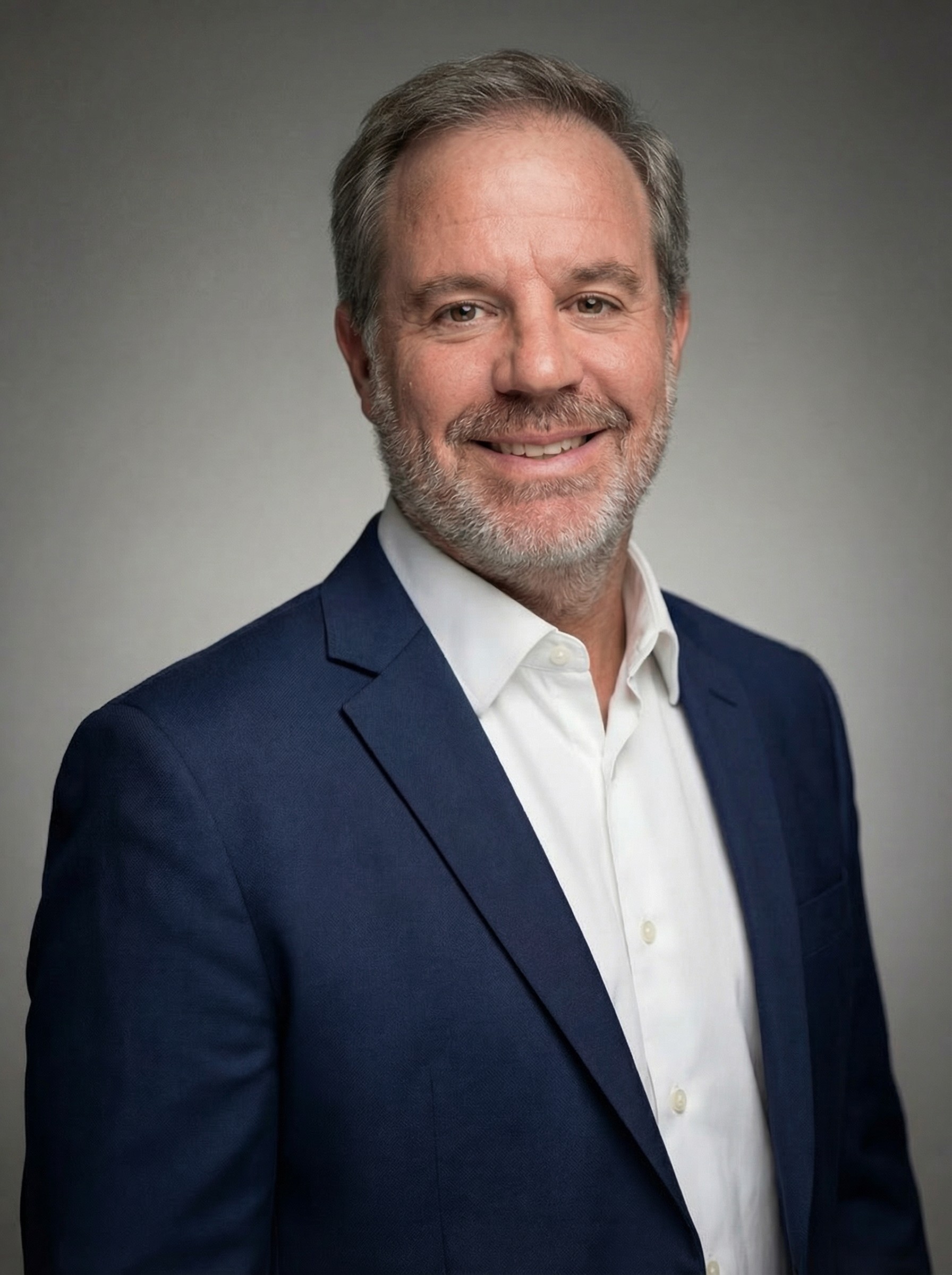
I work with CEOs and executive teams on how their leadership system operates — executive coaching, leadership-team facilitation, and intervention inside real decision-making forums. Built on that practice:
Trabajo con CEOs y equipos ejecutivos sobre cómo opera su sistema de liderazgo — coaching ejecutivo, facilitación de equipos directivos e intervención dentro de los foros reales de decisión. Construido sobre esa práctica:
A framework for reading and redesigning where a leadership system loses its capacity to execute. For CEOs and executive teams in capital-intensive organizations in Latin America.
Un marco para leer y rediseñar dónde un sistema de liderazgo pierde capacidad de ejecución. Para CEOs y equipos ejecutivos en organizaciones de capital intensivo en América Latina.
Explore Lead Architecture → Explorar Lead Architecture →One framework in two registers. Architecture of Leadership explains why leadership systems fail — three absences, four components, five stages. The Hidden Cost of Alignment tells the same theory from inside the room where it operates.
Un mismo marco en dos registros. Arquitectura del Liderazgo explica por qué fallan los sistemas de liderazgo — tres ausencias, cuatro componentes, cinco etapas. El Costo Invisible del Consenso cuenta la misma teoría desde adentro de la sala donde opera.
This is how the problem shows up in practice.
Así se ve el problema en la práctica.
Standards are not set by what leaders say. They are set by what leaders enforce. The distance between these two is structural — and its consequences accumulate quietly.
Los estándares no los define lo que los líderes dicen. Los define lo que los líderes hacen respetar. La distancia entre ambos es estructural — y sus efectos se acumulan en silencio.
Read → Leer →When an organization consistently fails to execute, leadership reaches for a motivational explanation. In most cases, the diagnosis is wrong — and the misdiagnosis compounds the damage.
Cuando una organización falla en la ejecución de manera sistemática, el diagnóstico habitual es motivacional. En la mayoría de los casos, ese diagnóstico es incorrecto — y el error agrava el problema.
Read → Leer →Every organization runs two decision architectures simultaneously. One is designed. One emerges. The second governs with more force than the first — and in most organizations, it has never been examined.
Toda organización opera con dos arquitecturas de decisión al mismo tiempo. Una fue diseñada. La otra emergió. La segunda manda más — y casi nunca fue examinada.
Read → Leer →If you want to talk, reach out.
Si querés hablar, escribime.
Write to me → Escribime → or WhatsApp → o WhatsApp →